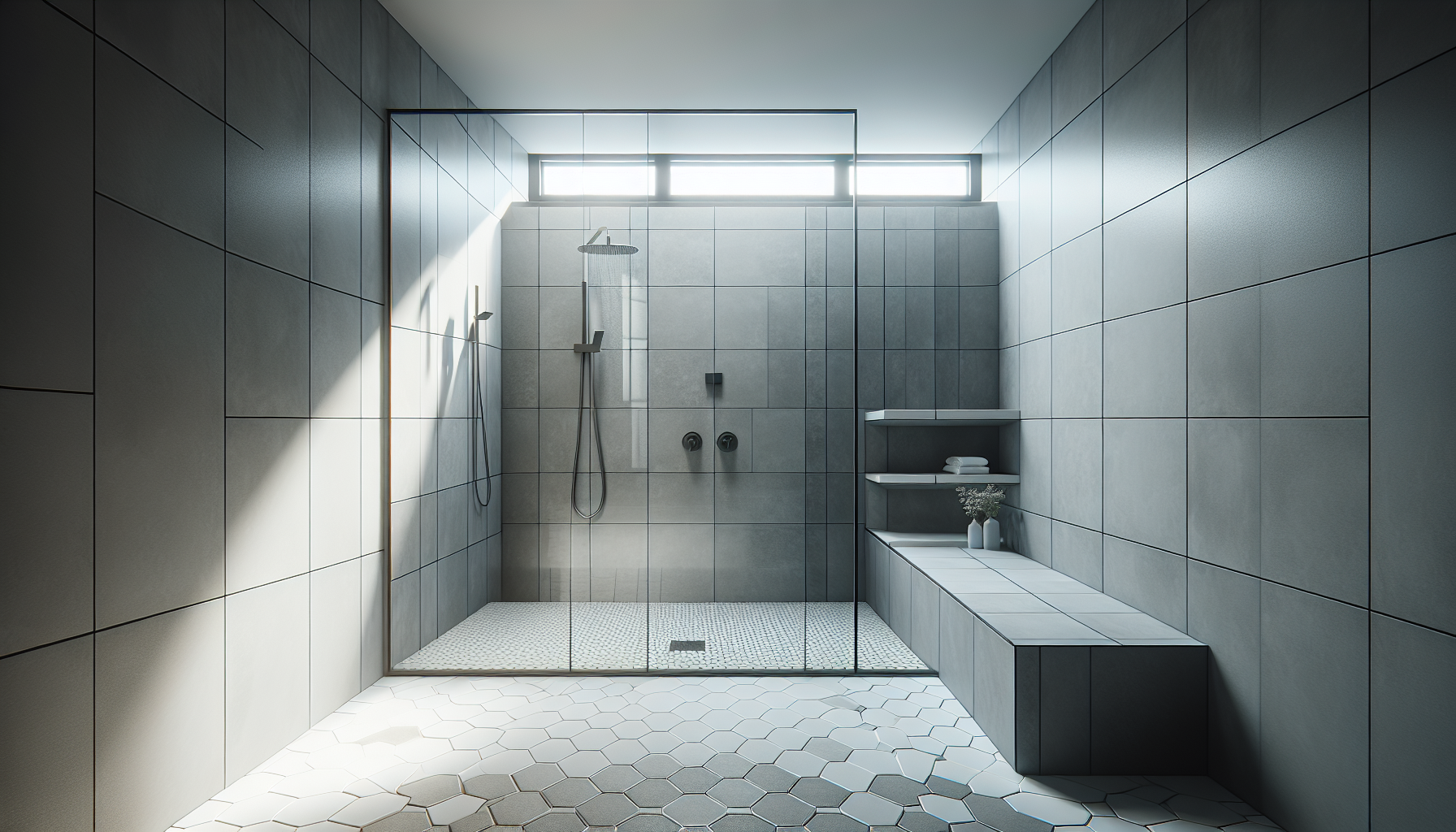
Answer: The 'step-in' approach to bathroom renovation means prioritizing accessibility and ease of use through intentional design choices—primarily converting traditional tub/shower combos into barrier-free, walk-in (or step-in) showers. It's not about going big or going home. It's about small, strategic upgrades that eliminate physical obstacles and create a bathroom that actually supports your daily wellness instead of fighting against it.
The Wellness Connection You're Not Thinking About
Look, I get it. When you think "bathroom remodel," you're probably picturing marble countertops and Instagram-worthy tile patterns. But here's the deal: the most impactful bathroom changes aren't always the most glamorous ones. Recent design trends are finally catching up to what occupational therapists and aging-in-place specialists have known for years. The small decor and structural changes that remove physical barriers have a MASSIVE impact on your daily stress levels, safety, and overall quality of life. 💡
We're talking about eliminating that awkward step over the tub edge. Creating a shower entry that doesn't require gymnastics when you're half-asleep at 6 AM. Installing grab bars that don't scream "medical equipment" but blend seamlessly with your design aesthetic. These aren't just nice-to-haves... they're foundational elements that determine whether your bathroom supports or sabotages your morning routine.
What 'Step-In' Actually Means in Practical Terms
Essentially, a step-in shower (or more accurately, a LOW-step or no-step shower) features a minimal threshold—typically 2 inches or less, versus the standard 6+ inch curb you're climbing over right now. Better yet? A true curbless, walk-in shower with a linear drain creates zero barriers. Boom. The difference seems small on paper, but when you're carrying a toddler, dealing with mobility challenges, or just exhausted after a long day, that threshold matters.
Here's what this approach typically includes: removing your old tub/shower combo, installing proper waterproofing and slope for drainage, choosing slip-resistant tile (porcelain or textured ceramic work great), adding a frameless glass enclosure or half-wall, and incorporating a built-in bench or niche. You're not necessarily expanding your bathroom footprint. You're just making the existing space work harder and smarter for you.
The tile choices alone can transform the vibe. Large-format tiles minimize grout lines (less cleaning, more modern look). Subway tiles offer timeless appeal. And those trendy pebble or river rock tiles? Actually functional for slip resistance, not just pretty. 🚀
The Aging-in-Place Reality Nobody Wants to Talk About
Here's the reality: if you're planning to stay in your home long-term, accessibility isn't some distant future problem. It's a design consideration that makes your bathroom better TODAY while protecting your investment tomorrow. A 40-year-old with a knee injury appreciates a step-in shower just as much as a 70-year-old does. Parents with young kids? Same deal.
The smart move is incorporating these features NOW, while you're already renovating, rather than doing an emergency retrofit later when mobility becomes an immediate issue. We're seeing more homeowners in their 40s and 50s requesting grab bars, handheld showerheads, and curbless entries. Not because they need them this minute, but because they're planning ahead. That's just good design thinking.
Small Changes, Big ROI (And We're Not Just Talking Money)
The financial ROI on bathroom accessibility upgrades is solid. Remodeling Magazine's Cost vs. Value report consistently shows bathroom remodels recouping 60-70% of costs at resale. But the REAL return? That's the daily wellness dividend. Reduced fall risk. Less physical strain. A shower experience that feels like self-care instead of an obstacle course. You can't put a price tag on that... though reduced injury risk definitely has financial implications too. 😭
And here's something contractors won't always tell you upfront: many of these modifications qualify for tax credits or local rebates, especially if they're medically necessary or part of an aging-in-place renovation. Worth researching for your specific situation.
Actionable Takeaways for Your Bathroom Project
If you're considering a bathroom renovation with the step-in approach, here's what to prioritize:
- Start with the shower entry. Curbless is ideal, but even reducing the threshold to 2 inches makes a measurable difference in accessibility and safety.
- Choose slip-resistant flooring EVERYWHERE. Not just in the shower. Water travels. Porcelain tile with a textured finish or smaller format tiles (more grout = more traction) work well.
- Future-proof with reinforcement. Even if you don't install grab bars now, have your contractor add blocking (reinforced framing) in the walls during construction. Installing grab bars later becomes a 15-minute job instead of a major project.
Ready to transform your home? Contact Freedom Design & Remodel at (619) 779-2296 for a free estimate. Veteran-owned and operated, serving Southern California.
Frequently Asked Questions
What's the difference between a step-in shower and a walk-in shower?
The terms are often used interchangeably, but technically a step-in shower has a low threshold (typically 2 inches or less), while a true walk-in or curbless shower has no threshold at all. Both offer better accessibility than traditional tub/shower combos with 6+ inch curbs.
How much does it cost to convert a tub to a step-in shower?
Costs vary widely based on your location, materials, and scope, but expect to invest $6,000-$15,000 for a quality conversion in Southern California. This includes demolition, waterproofing, tile work, glass enclosure, and fixtures. Curbless showers requiring floor modifications may cost more due to drainage requirements.
Do I need to renovate my whole bathroom to install a step-in shower?
Not necessarily. Many homeowners choose to replace just the tub/shower area while keeping existing vanities and flooring. However, if your bathroom is 15+ years old, coordinating other updates during the same project often makes financial sense since you're already dealing with demolition, permits, and contractor scheduling.